Repinning locks
There are a couple reasons to do this: Change the operating key for a lock, measure the pins to make a key, get practice without buying more locks, ease your way into security pins, or see what's inside a troublesome lock.
In any case, you'll need a lock with a removable core (plug + bible): this is usually the case for deadbolts and some nicer padlocks. Alternatively, are lock cylinders are available.
Unless your goal is exploration, you'll want a selection of key and driver pins. Picking up a few spare springs would not be a bad idea: it's easy to loose small parts.
As for tools, you'll need tweezers, a plug follower, and a core shim. The follower can be any circular object with a similar diameter as the plug: batteries, pens, dowel rods and metal tubes will all work. Core shims can be improvised out of the metal strips in a magnetostrictive anti-theft tag or a cut-up soda can (for locks with looser tolerances).
For both shims and followers, the real thing is cheaply available on the internet.
A note on un-bricking:
When picking with a bare core, avoid turning it a full 180° from the locked position. This can often result in the driver pins falling into the bottom of the keyway and jamming the lock.
The keyway is usually cut through the bottom of the plug, although I haven't drawn it that way to keep the diagrams clear.
If this happens, use the back of a half-diamond pick to lift all the drivers out of the keyway and free up the plug. It's usually possible to apply a turning force using the pick, which avoids the need for a tension tool.
Since the manufacturing process leaves holes in the bottom of the bible, it's also possible for the keypins to fall out of the lock. If this happens, simply drop them back in (pointy side first) before rotating the plug back. Do not rotate the plug without replacing the pins: this will allow the springs to get trapped in the plug and cause permanent damage.
If during disassembly, a driver pin gets stuck inside a plug or the c-clip groove:
- If it's in a pin chamber, pick it out.
- Otherwise, try pushing the plug both ways.
- If that fails, try striking the core from above to compress the spring.
- Finally, try drilling into the pin-chamber from above and pull out the troublesome pin. This will destroy the spring and the hole must be patched up before reassembly (use a hammered-in pin or grub screw)...
... such situations are best avoided by using a core shim.
Getting the lock apart:
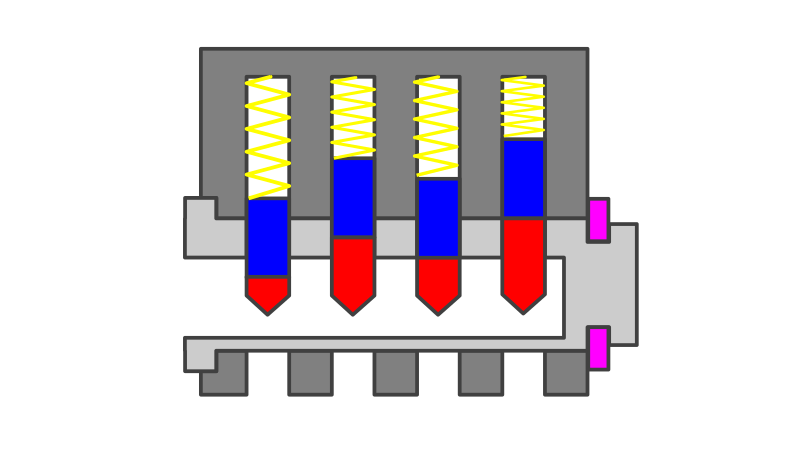
Most plugs are held in place by a c-clip. This can to be pried off with a pointy tool, or removed with a dedicated tool. In either case, it has a tendency to fly across the room:
Cheap padlocks like the Masterlock "Model 3" crimp the bible onto the plug. It can be freed with a bit of grinding or prying from a screwdriver, although this does cause damage... not that that matters since getting the core out is a destructive operation.
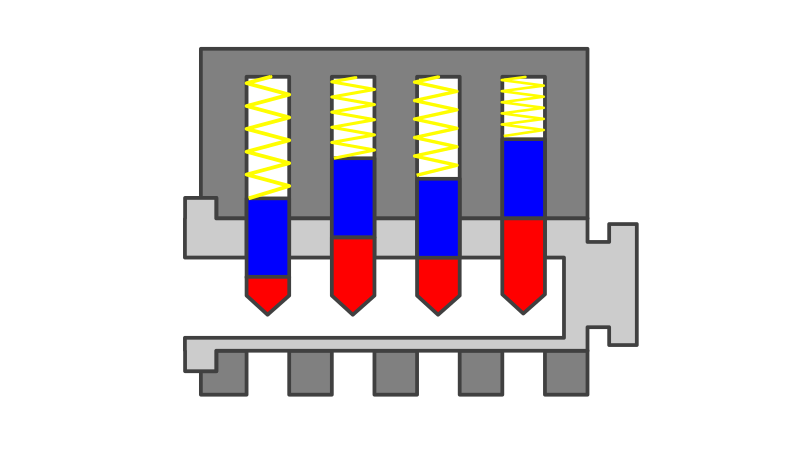
With the clip removed, the plug will still be held in place by the pin stacks. If you have a key, inserting it will release the plug. If you don't, pick the lock open and rotate the plug by around 45°.
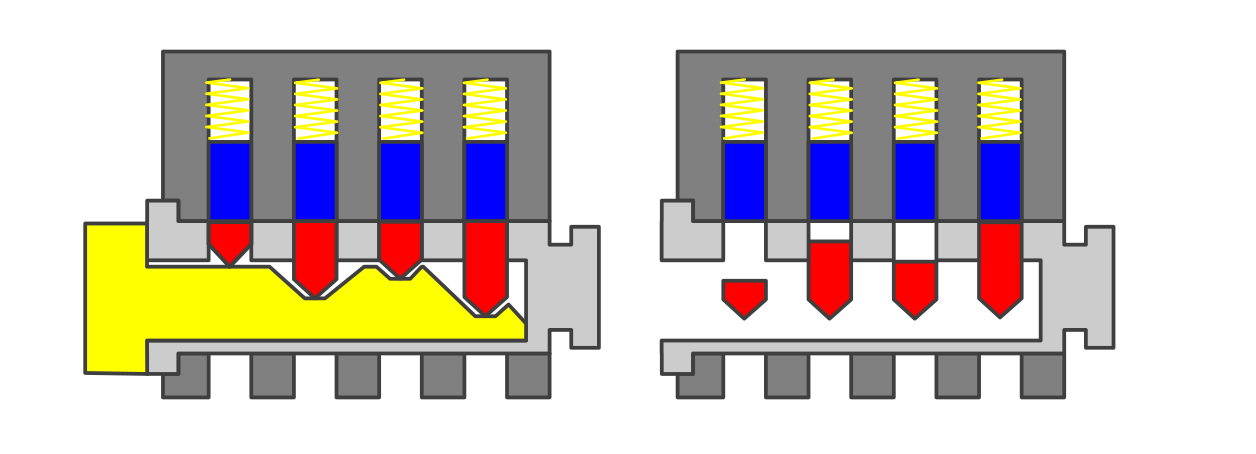
It is also possible to free a lock using a blank key and a core shim: insert the blank all the way and start inserting the shim until it gets hung up on the back-most pin. Now, slowly remove the blank while applying pressure to the shim.
The plug will now be free to slide out of the bible, but I highly recommend you don't pull it out. There is a very high chance for a driver pin to fall in somewhere it's not supposed to be and permanently jam up the lock.
To do it safely, insert a thin piece of metal (a core shim) between the plug and the bible's pin chambers. This provides a smooth surface for the driver pins to slide on. Secondly, it's a good idea to push in a similarly sized tube behind the plug this supports the driver pins once the plug is removed.


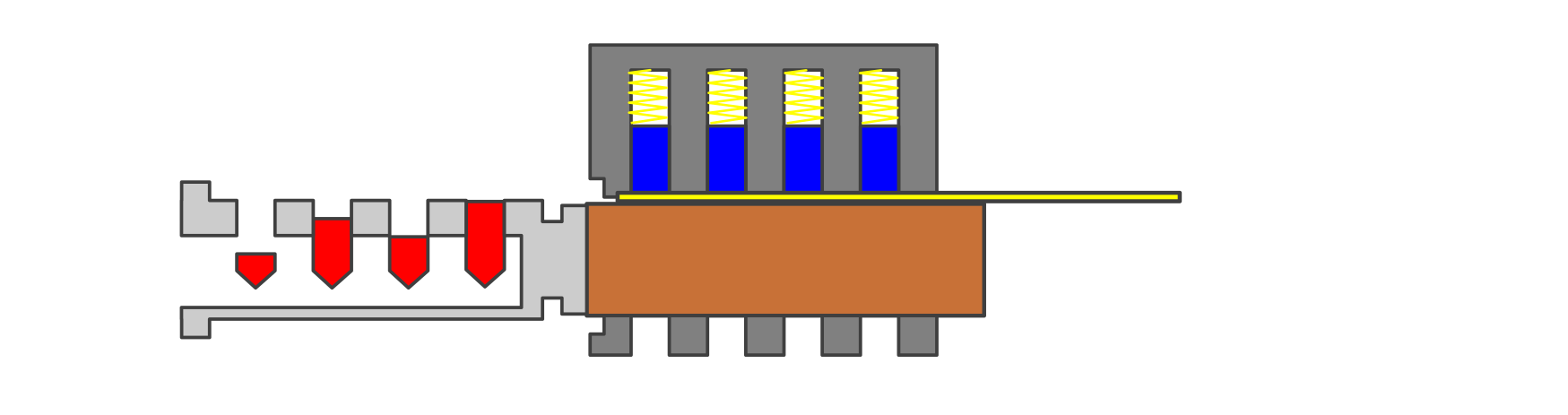
Once the plug is out, the keypins can be dropped out by turning it upside down over a tray.
If re-keying a lock, you can stop here.
To get the drivers out, remove the shim and slowly pull the follower out. Once the first pin chamber is exposed, use tweezers to grab the driver pin and dump out the spring. Repeat this for all pin stacks in the lock.

Putting it back together:
Start by loading the drivers: drop a spring into the back-most pin chamber, followed by a pin. Hold that pin down with your tweezers and use the plug follower to lock it in place.

Repeat that for all pin chambers (that aren't going to remain empty).
Next, insert your shim below the pin chambers:

Put the key pins back in the plug, pointy side first and being carefully not to spill them everywhere. If want to use it with a key, it's a good idea insert it and check that the tops of the key pins sit flush with the plug: if they don't, that key won't open the lock.
Reassemble the lock by sliding in the plug from the front of the bible. Ensure the core shim stays in place: it should reach all the way to the front of the plug.
Once the plug is fully inserted, pull the shim out and replace the c-clip. The lock should now be operational, although the original key won't work if you changed the key pins for ones with a different height.
A note on double-sided locks:
Some lock cylinders intended for doors contain two plugs, one for each side of the door If there's a c-clip, it's usually quite tricky to remove without a special tool, but it can be done. Some locks use a spring loaded pin on the actuator that has to be pressed to release the plug.
In either case, the main problem is that there is no way to insert a plug follower or core shim: using the key, it is possible to get the lock apart, but not put it back together.
The easiest way is to exploit the 180° rotated state where the driver pins fall into the keyway. With the lock in this configuration, it's possible to insert a "pinning shoe" into the keyway and hold the drivers in place. Doing this allows the plug to be safely removed and before slowly removing the tool to drop the drivers.
A segmented follower (cut into pieces small enough to fit between the two plugs) can also work, although it comes at the risk of bricking the lock: there's no way to insert a core shim.
Reassembly is the same but backwards: load the driver pins and lock them in place using the pinning shoe, then slide in the plug (with it's key pins) upside down. Once the lock is together, remove the shoe and un-jam the drivers using the back of a half-diamond pick.
... if you don't have the tool, another option is to simply cut the lock in half. This can be a good option if you only want the lock for sport and aren't going to install it anywhere.